Clinical SAS Certification Worth It – 2026 Salary, Scope & ROI Guide

Introduction
Clinical SAS certification worth it is one of the most common questions among aspiring clinical programmers in 2026. With increasing competition in the pharmaceutical and clinical research industry, professionals want to understand whether certification truly improves salary, career growth, and global job opportunities.
In this highly regulated ecosystem, SAS (Statistical Analysis System) remains the gold standard software for clinical data management and statistical programming.
As competition intensifies in the clinical programming job market—especially in countries like India, the US, and Europe—many aspiring professionals ask:
What Is Clinical SAS Certification?
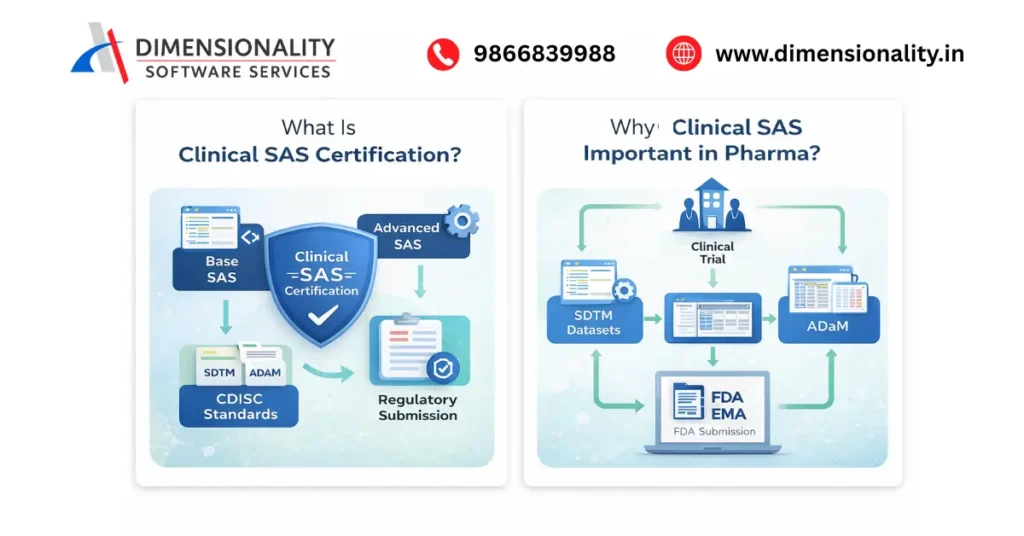
Clinical SAS certification validates your proficiency in:
- Base SAS Programming
- Advanced SAS Techniques
- Clinical Trial Data Handling
- CDISC Standards (SDTM & ADaM)
- Regulatory submission support
- Dataset validation and reporting
The most recognized certifications are offered by SAS Institute:
- SAS Certified Base Programmer
- SAS Certified Advanced Programmer
- Clinical Trials Programming certifications
These certifications assess your ability to:
- Write efficient SAS code
- Manipulate clinical datasets
- Perform data cleaning and transformation
- Generate statistical outputs
- Follow regulatory compliance practices
In simple terms:
Certification proves structured SAS knowledge.
Experience proves practical clinical competence.
Understanding this difference is crucial.
Why Is Clinical SAS Important in the Pharma Industry?
Before discussing certification value, let’s understand why SAS matters.
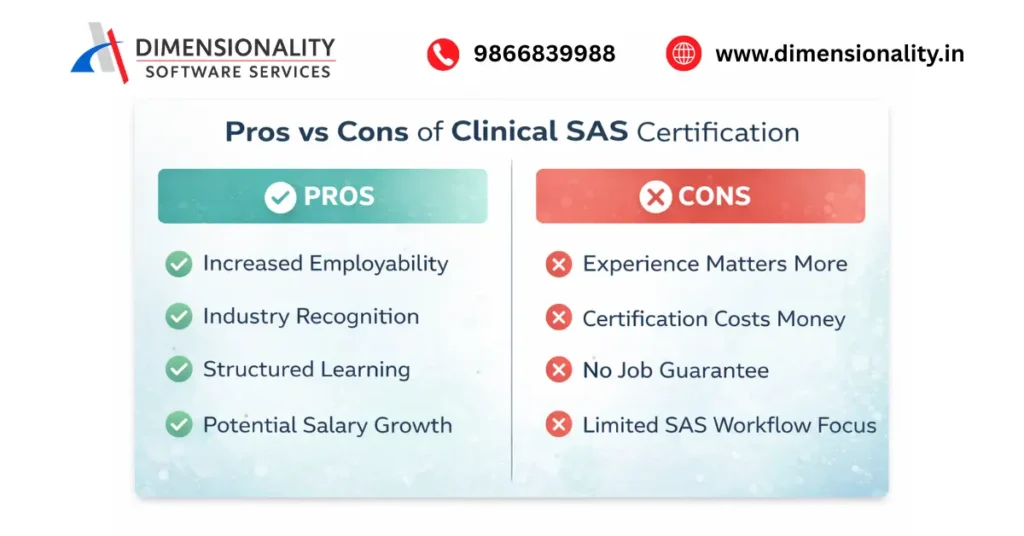
Clinical trials must comply with strict regulatory standards. Regulatory bodies such as the FDA require:
- Clean SDTM datasets
- Analysis-ready ADaM datasets
- TLFs (Tables, Listings, Figures)
- Define.xml files
- Validation compliance
SAS is widely trusted because:
- It supports large structured datasets
- It ensures reproducibility
- It meets audit and regulatory standards
- It integrates with CDISC frameworks
Despite the rise of R and Python, SAS remains dominant in regulated clinical environments.
Pros of Clinical SAS Certification
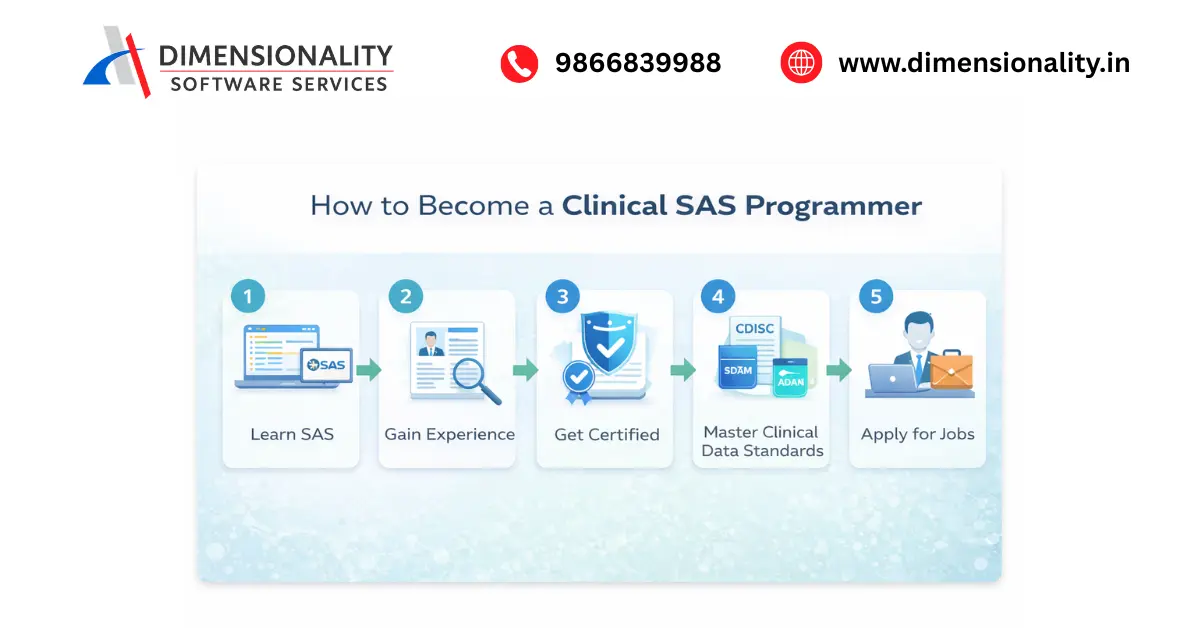
Pros of Clinical SAS Certification
Increased Employability (Especially for Freshers)
One of the strongest advantages of Clinical SAS certification is enhanced employability.
Recruiters receive hundreds of resumes. Certification:
- Makes your profile stand out
- Demonstrates commitment to the field
- Shows structured technical knowledge
- Signals seriousness about clinical programming
For fresh graduates or career switchers, certification bridges the credibility gap.Many beginners first explore structured learning through a Clinical SAS course in Hyderabad before attempting certification.
Without experience, certification becomes your technical proof.
Without experience, certification becomes your technical proof.
Industry Recognition and Global Credibility
SAS certifications are globally recognized.
Employers often perceive certified professionals as:
- More disciplined in programming
- Familiar with debugging
- Knowledgeable about procedures like PROC SQL, PROC REPORT, PROC MEANS
- Skilled in dataset transformation and merging
Certification adds an element of trust.
In global markets (US, UK, Canada), certification strengthens visa-based or remote job applications.
Structured Learning and Knowledge Validation
Preparing for certification forces you to revise:
- Data step processing
- PDV (Program Data Vector)
- PROC SQL joins
- Dataset merging logic
- Macro programming
- Performance optimization
- Error debugging
- Proc procedures
Even experienced programmers often discover hidden knowledge gaps.
Certification preparation builds strong fundamentals.
Career Growth and Salary Potential
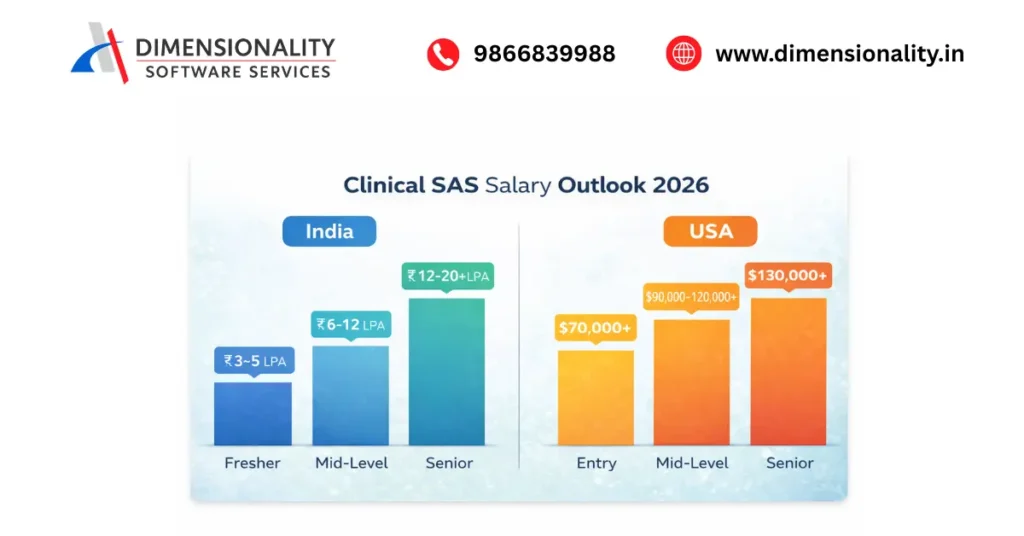
Let’s address salary directly.
Clinical SAS salary depends on:
- Experience
- Therapeutic exposure
- Company type (CRO vs Pharma)
- Location
However, certification can:
- Strengthen salary negotiation
- Help in internal promotions
- Support international transitions
- Increase interview shortlisting probability
It does not guarantee higher pay — but it supports career momentum.
Confidence and Interview Readiness
Certification preparation improves:
- Technical vocabulary
- Clarity of SAS concepts
- Interview confidence
- Problem-solving mindset
Confidence directly impacts interview success.
Many candidates fail not due to lack of knowledge but lack of structured clarity.
Certification fixes that.
Cons of Clinical SAS Certification
Now let’s be realistic.
Experience Matters More
In clinical programming, real project exposure matters more than certification.
Hiring managers prioritize:
- Study-level SDTM mapping
- ADaM dataset creation
- Pinnacle 21 validation
- Handling client queries
- SAP interpretation
- TLF programming
A candidate with 3 years of hands-on clinical trial exposure may outperform a certified fresher.
Certification alone cannot replace practical experience.
Financial and Time Investment
Certification requires:
- Exam fees
- Study materials
- Preparation time
- Training programs (optional but common)
Return on investment varies based on your career stage.
No Job Guarantee
Let’s be clear:
Certification does NOT guarantee placement.
Hiring decisions depend on:
- Communication skills
- Logical thinking
- Real-world scenario handling
- Interview performance
- Domain understanding
Certification is a support tool, not a guarantee.
Limited Focus on Full Clinical Workflow
Certification exams mainly focus on SAS programming.
But real clinical work includes:
- Protocol understanding
- CRF review
- SAP analysis
- Define.xml generation
- Regulatory documentation
- Stakeholder communication
Certification doesn’t cover the full trial lifecycle deeply.
Is Clinical SAS Certification Worth It for Freshers?
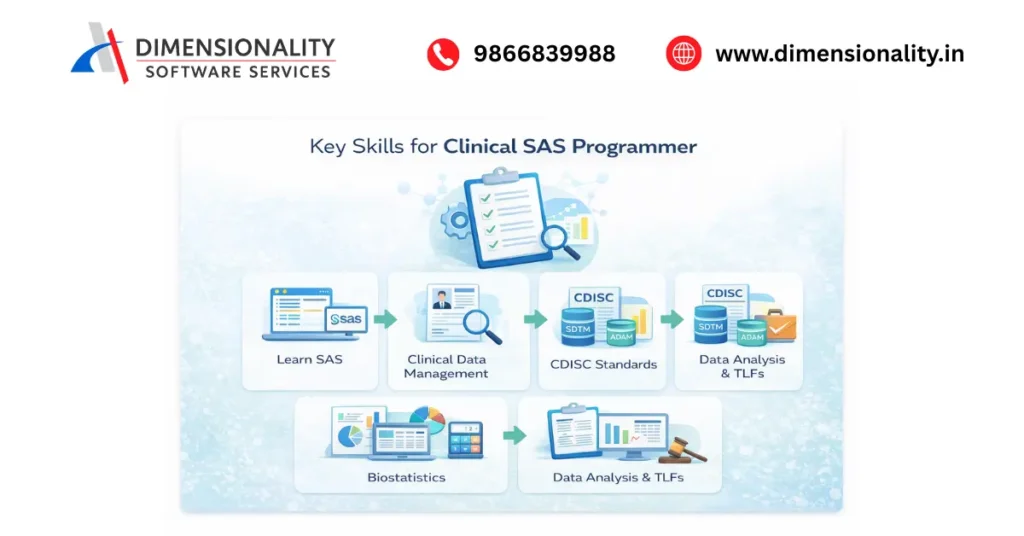
Yes — highly valuable.
Why?
Freshers lack:
- Project experience
- Domain exposure
- Industry references
Certification acts as:
- Technical credibility proof
- Resume booster
- Interview shortlisting enhancer
For beginners, it can significantly improve job prospects.
Is Clinical SAS Certification Worth It for Experienced Professionals?
It depends.
It is useful if:
- You are switching domains
- You want international opportunities
- You need strong fundamentals revision
Less necessary if:
- You have 5+ years strong clinical experience
- You are moving into management roles
- Your company doesn’t value certification
Clinical SAS Certification vs Experience: Which Matters More?
Experience > Certification
But:
Certification + Experience = Powerful Combination
The smartest strategy is balance.
Clinical SAS Career Scope in 2026 and Beyond
Clinical research is expanding due to:
- Increasing drug development
- Biotech growth
- Regulatory complexity
- Data-driven decision-making
Roles include:
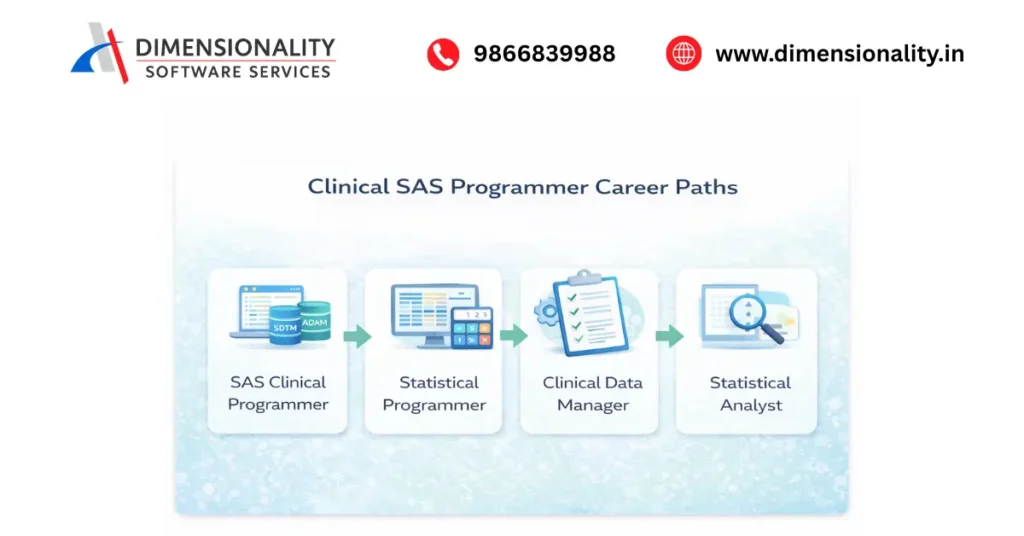
- Clinical SAS Programmer
- Statistical Programmer
- SDTM Programmer
- ADaM Programmer
- TLF Programmer
- Regulatory Submission Specialist
Demand remains stable in regulated pharma environments.
Salary Outlook (India & Global Markets)
India (Approximate ranges):
- Fresher: ₹3–5 LPA
- 2–4 Years: ₹6–12 LPA
- 5+ Years: ₹12–20+ LPA
US:
- Entry: $70,000+
- Mid-Level: $90,000–120,000+
- Senior: $130,000+
Certification alone does not determine salary — experience does.
When Should You Invest in Certification?
You should consider certification if:
- You are entering clinical programming
- You lack confidence in SAS fundamentals
- You want structured preparation
- You aim for global roles
Avoid it if:
- You expect instant job placement
- You already have deep clinical expertise
- You are shifting toward managerial tracks
Frequently Asked Questions
Final Expert Recommendation
Clinical SAS certification is worth it — strategically.
It offers:
- Structured validation
- Increased employability
- Confidence boost
- Global recognition
But it must be combined with:
- Real project exposure
- CDISC expertise
- Strong analytical thinking
- Effective communication skills
Certification opens doors.
Competence keeps them open.